Bugging Out: Integrated Pest Management 101
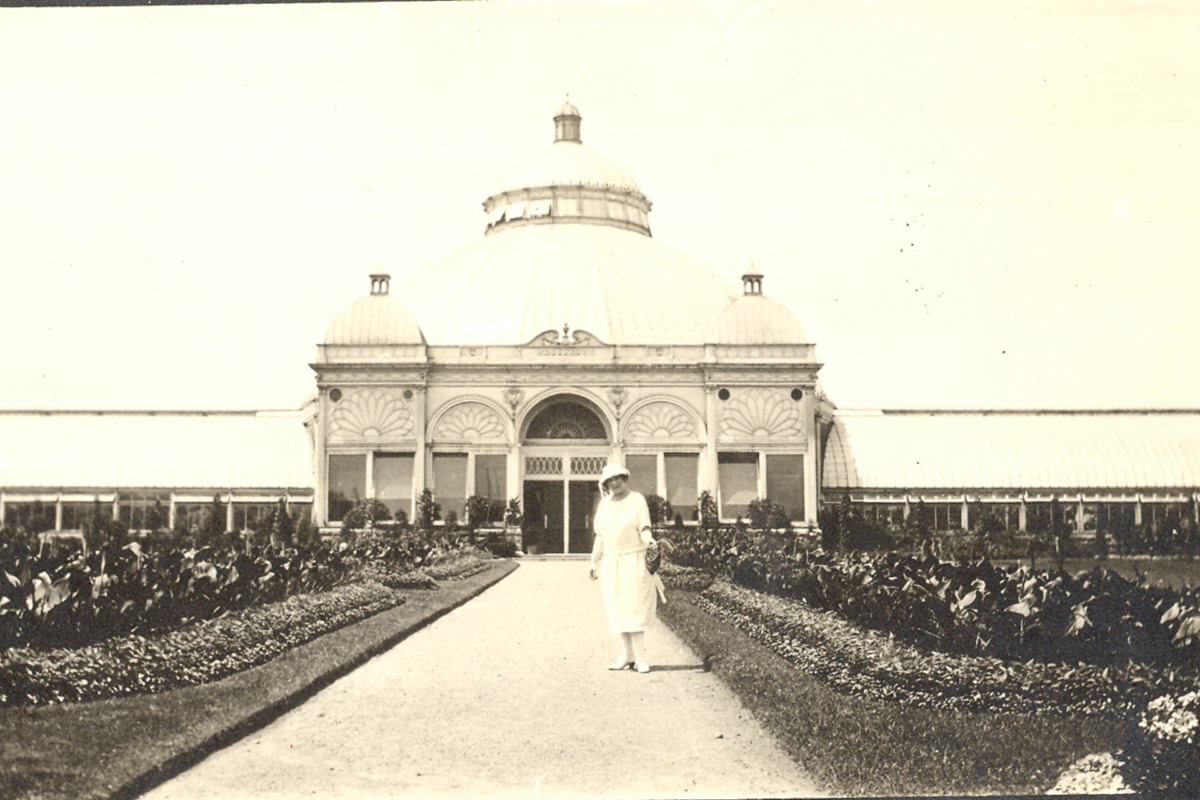
What is up bug nation! Welcome to Bugging Out, your favorite blog on all things bugs at the Botanical Gardens! My name is Mike, and I am excited to introduce you to Integrated Pest Management, or IPM for short! First though, I believe introductions are in order. Some frequent visitors to our Botanical Gardens may have met me before, but for those who don’t know me, I’m Michael our Horticulturalist and IPM Specialist here at the Buffalo and Eire County Botanical Gardens. I started my journey at the Buffalo and Erie County Botanical Gardens in 2018, and I’ve had the pleasure of keeping our conservatory plants happy and healthy for the past 7 years! In that time there have been some crazy events and changes, but through it all, our collections have been able to adapt and grow happy and healthy thanks in part to some of our practices of Integrated Pest Management!
Now some of you might be asking yourself, “What is Integrated Pest Management?” Integrated Pest Management (IPM) can be defined as a science-based decision-making process that identifies and manages pests with a sustainable approach by combining biological, cultural, physical and chemical tools in a way that minimizes economic, health and environmental risks. Simply put, it’s a system that uses multiple methods of control to best keep pest populations in check while causing the least amount of damage, money, and time. This system has proven to be very effective in the horticulture industry and today is implemented by most botanical gardens and commercial greenhouses across the globe. Thanks to assistance from Cornel Cooperative Extensions, and other regional conservatories, we at the Buffalo and Erie County Botanical Gardens have been able to implement our own Integrated Pest Management system that has been effectively treating our collections since 2018. With Integrated Pest Management, we can continue to adapt to a changing environment, handle any new problems that come our way, all while keeping our plants and guests safe!
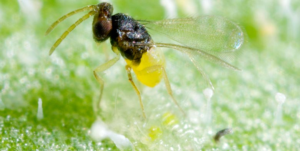
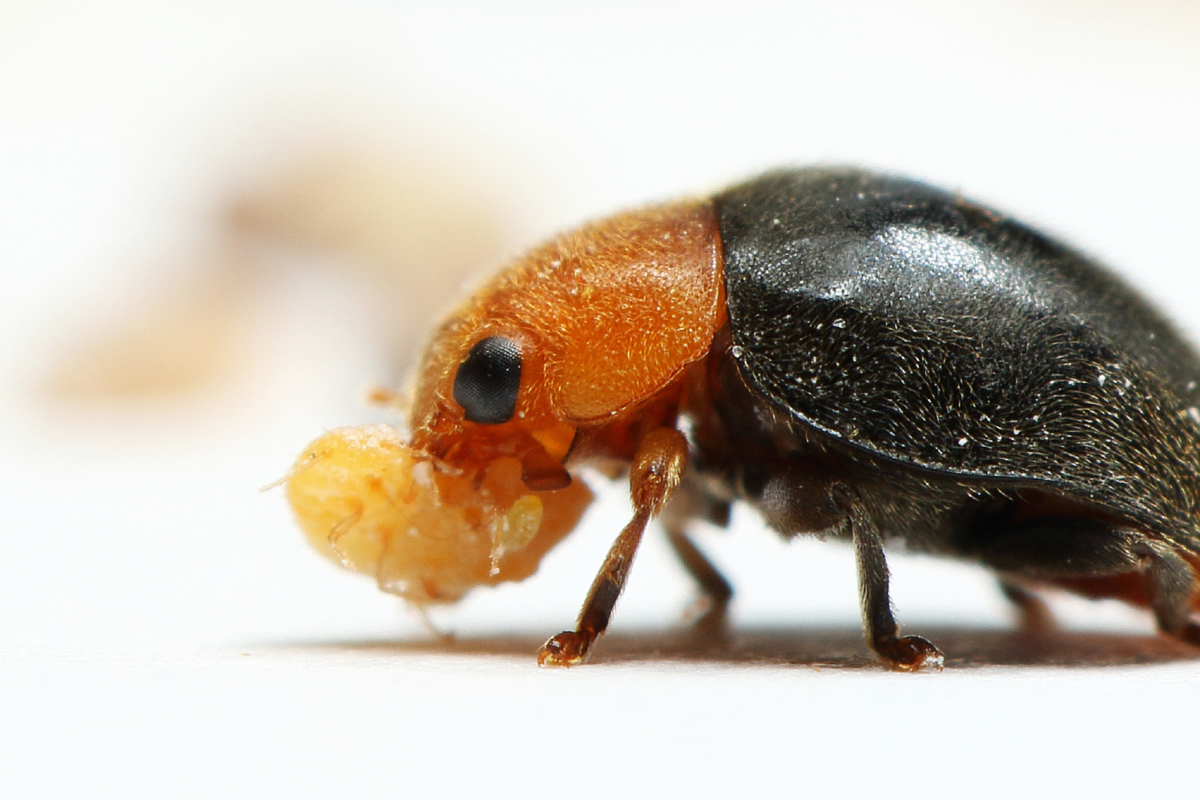
Now that we know what IPM is, let’s move on to how it works and give you an idea of what a day in the life of pest management is like for us. Before we begin, it’s important to note that our IPM system is designed for our gardens and conservatory. What works best for us here may not be the case for other greenhouses or growers. The start of any good pest management system is a consistent and effective scouting system. An IPM scouting method is a plant monitoring method used to track plant health and what insects might be visiting our plants. This is achieved through the weekly installation and collection of yellow sticky traps throughout the conservatory. These traps mimic the color of flowers in the wild and attract and trap any nearby flying pests. Upon collection, we then need to identify what pests we’ve caught. This part can be tricky, and even an expert like me can be stumped at times. Luckily for us there are plenty of resources available to help with this; some include Cornells’ Pest Identification Center, and Insect Diagnostic Lab. Knowing the types of pests we have is only half the battle, but with that information we can now implement the correct controls. We can break these “controls” down into 3 categories: cultural, biological, and chemical. Cultural controls are our first line of defense, which are habits and daily practices we use to deter pests. These include simple things like taking out the trash from the conservatory every day and sanitizing our tools between each plant. Biological controls are the next practice we use which involves the controlled release of predatory and parasitic organisms into our conservatory. Insects like Mealybug destroyer (Fig.1.). and Encarsia (Fig. 2.) are natural predators and parasites of certain pest insects, and are known as beneficial bugs. These beneficials work hard as our “employees” by eating up pests on our plants. At times cultural and biological controls are not enough, and when that becomes the case, we safely implement chemical controls. Chemical controls are the application of pesticides and baits into the conservatory. As certain pesticides can be dangerous, our applications are completed at times when our gardens are closed to the public. We then follow strict safety guidelines to apply these chemicals, generally smothering oils, to infected plants before waiting for a required period of time for them to dissipate safely into the environment. What really makes IPM such a successful system is the use of all three of these controls in conjunction with scouting and identification. No singular control can truly keep all pest problems in check, but when combined in a planned rotation and applied at the correct times, pest problems don’t stand a chance!
Whoa! Now that was a lot to go over today, bug nation! Let’s wrap up today’s topic with a little review. We learned a bit about me, your new friend Mike, and about what IPM is, and how we implement some practices here in our gardens. Hopefully this has gotten you all interested in IPM, and we wish you all the best in your pursuits to keep your plants happy and healthy! Stay tuned for more integrated pest management content in the future as we delve deeper into certain controls, stress indicators to keep an eye out for, and even talk about banker plants! For now, see you later, and stay pest free!
Figure 1. Mealybug Destroyer
Figure 2. Encarsia